

Exploring how different cultures view gambling practices and beliefs
Historical Context of Gambling
Gambling has been a part of human civilization for centuries, with historical references dating back to ancient civilizations such as China, Greece, and Rome. In these cultures, gambling often intersected with religious practices and social rituals, reflecting deeper beliefs about fate, luck, and fortune. For example, ancient Greeks placed great importance on the concept of chance, viewing gambling as a reflection of life’s unpredictability, which they sought to understand through various philosophical lenses. In today’s context, many enthusiasts engage in the aviator game, seeking that thrill and potential for winning big.
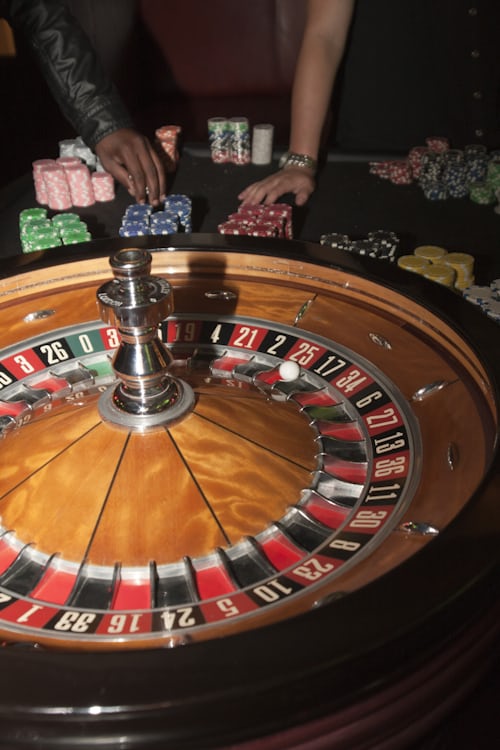
Moreover, different cultures have developed unique forms of gambling that resonate with their societal norms and values. The Chinese, for instance, have a long-standing tradition of games like Pai Gow and Sic Bo, which are often played during festivals to symbolize prosperity and luck. This cultural inclination towards gambling was further solidified with the introduction of the lottery system during the Tang dynasty, demonstrating how gambling was not merely a leisure activity but intertwined with the community’s economic and social dynamics.
As societies evolved, so did their gambling practices. In Europe, the Middle Ages saw gambling viewed with skepticism, often associated with moral decline. However, the Renaissance brought about a change, as the exploration of probability and chance became popularized. This shift in perspective laid the groundwork for modern gambling as we know it today, showing how cultural attitudes can significantly shape the development of gambling practices over time.
Modern Cultural Perspectives on Gambling
Today, gambling is viewed through various lenses depending on regional and cultural contexts. In Western countries, such as the United States and Canada, gambling is often seen as a form of entertainment, with established laws regulating its practice. States have embraced the economic benefits of legalized gambling, leading to the proliferation of casinos and sports betting. The cultural acceptance of gambling as a legitimate leisure activity demonstrates a significant shift from historical perceptions of moral opposition.
Conversely, many cultures in Asia hold a more complex view of gambling. In countries like Japan and South Korea, gambling is heavily regulated, and while there are forms of legal gambling, underground betting activities thrive, often viewed as risky yet thrilling. This ambivalence reflects a broader societal tension between modernity and traditional values, where gambling can symbolize both economic opportunity and moral challenges.
In Islamic cultures, gambling is strictly prohibited, viewed as haram, or sinful. This prohibition stems from religious beliefs that emphasize fairness in trade and economic activities. However, the rise of online gambling platforms has sparked debate, with some young Muslims engaging in gambling practices in anonymity, indicating a cultural shift. The contrast in attitudes illustrates how cultural beliefs can evolve in response to societal changes, technology, and globalization.
Cultural Symbols and Their Impact on Gambling
Cultural symbols and beliefs significantly influence gambling practices across different societies. For instance, in many African cultures, gambling is not only a form of entertainment but also a way to engage in communal decision-making. Games like Ludu and Damii are often played at social gatherings, emphasizing the importance of community ties and social interaction. Here, gambling becomes a collective experience rather than an individual pursuit, highlighting cultural values of togetherness and shared fate.
Additionally, many cultures have specific symbols associated with luck and fortune that impact gambling behaviors. In Western cultures, the number seven is often deemed lucky, influencing betting choices in games like roulette. In contrast, in Chinese culture, the number eight is considered auspicious, driving preferences in games and betting practices. These symbols reflect deeper cultural beliefs about luck and success, showcasing how they can shape individual and collective gambling experiences.
The impact of cultural symbols extends to how gambling is portrayed in arts and media. Movies, literature, and folklore often depict gambling as a metaphor for risk-taking and life’s uncertainties. In many cases, these representations reinforce or challenge societal norms surrounding gambling, contributing to ongoing discussions about its role in various cultures. This dynamic interplay between culture and gambling practices emphasizes the complexity of human behavior and belief systems.
Societal Implications of Gambling Practices
The societal implications of gambling practices are vast and multifaceted, influencing economic, social, and health aspects of communities. In many regions, gambling generates significant revenue through taxes and job creation, contributing to local economies. For example, Las Vegas thrives on tourism largely driven by its gambling industry, showcasing how cultural acceptance of gambling can lead to economic prosperity.
However, the dark side of gambling cannot be overlooked. Many cultures grapple with gambling addiction and its associated social consequences, such as family breakdowns and financial crises. For instance, in places where gambling is deeply entrenched, like Macau, there is a growing concern about the mental health implications for individuals caught in the cycle of gambling. Communities are increasingly recognizing the need for responsible gambling initiatives to address these issues.
Furthermore, cultural attitudes towards gambling can either facilitate or hinder the development of support systems for those affected by gambling problems. Societies that openly discuss gambling-related issues tend to have more comprehensive support networks in place. In contrast, cultures that stigmatize gambling can make it challenging for individuals to seek help, highlighting the importance of cultural understanding in addressing gambling’s societal impacts.

Conclusion: Cultural Insights on Gambling and Its Future
As we explore the diverse cultural views on gambling practices and beliefs, it becomes evident that these perspectives are shaped by historical, social, and economic factors. The relationship between culture and gambling is complex, with evolving attitudes reflecting broader changes in society. Understanding these dynamics can provide valuable insights for regulators, businesses, and communities, fostering responsible gambling practices that respect cultural values.
Moreover, the future of gambling will likely continue to be influenced by technological advancements and globalization, allowing for cross-cultural interactions that could reshape traditional beliefs. As cultures intersect, new forms of gambling may emerge, necessitating a reevaluation of existing practices and regulations. Navigating these changes while honoring cultural nuances will be essential for sustainable gambling practices worldwide.

Leave A Comment